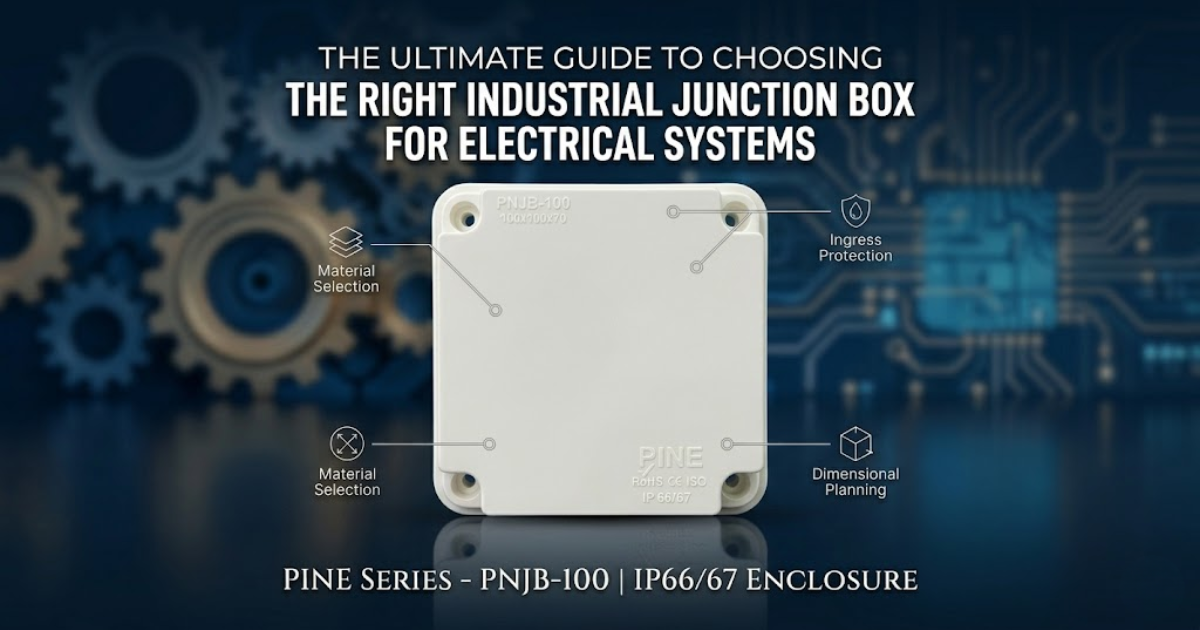
In any industrial environment, safety, reliability, and operational continuity are top priorities. The electrical wiring network is the heart of any manufacturing plant, chemical unit, or infrastructure project. Keeping this vital network safe depends heavily on one critical component—the Industrial Junction Box electrical .
If you are an electrical engineer, procurement manager, or plant operator, you already know that choosing the wrong enclosure can lead to severe consequences: short circuits, unexpected production downtime, and heavy financial losses.
This ultimate guide breaks down exactly how to select the right industrial junction box electrical enclosure to keep your systems secure, compliant, and built to last.
What is an Industrial Junction Box and Why is it Critical?
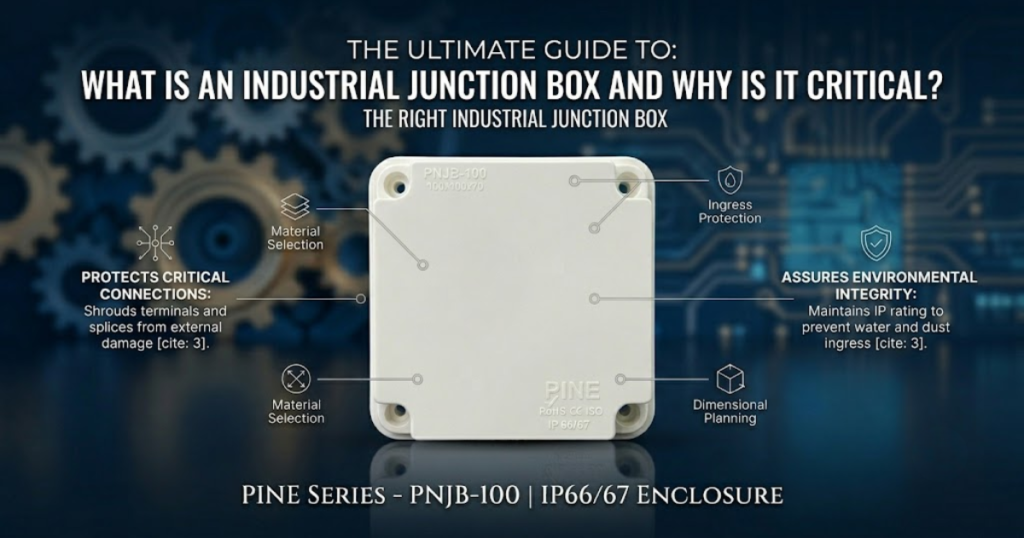
In simple terms, an industrial junction box is a protective, heavy-duty enclosure where multiple electrical wires meet and connect. It shields vital wiring connections (terminals) from harsh external elements like dust, moisture, chemical corrosion, and mechanical impacts.
Standard domestic boxes cannot survive a factory floor. Industrial environments demand robust enclosures engineered to withstand heavy ambient vibrations, industrial pollutants, and extreme weather conditions like intense heat and heavy monsoons.
5 Critical Factors for Selecting an Industrial Junction Box
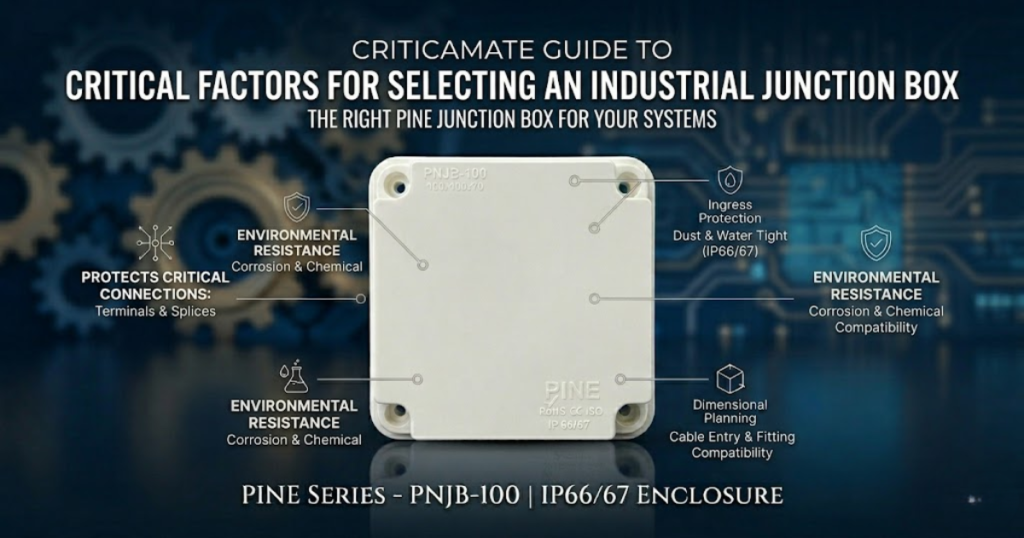
When sourcing or specifying a junction box from a vendor, keep these five essential factors in mind:
1. Material Selection: Metallic vs. Non-Metallic
The environment dictates the material. Choosing the wrong substrate can lead to structural failure or corrosion over time:
- Stainless Steel (SS304/SS316): The gold standard for chemical plants, pharmaceutical units, and coastal or marine environments where rust and chemical corrosion are major risks.
- Die-Cast Aluminum: Offers excellent mechanical strength, durability, and impact resistance. Ideal for heavy machinery zones and general outdoor industrial applications.
- Polycarbonate / FRP (Fiberglass Reinforced Polyester): Lightweight, non-conductive (eliminating shock hazards), and highly resistant to chemical vapors. Perfect for solar plants or environments where physical impact is low but weather resistance is high.
2. Ingress Protection (IP) Rating
Dust and heavy rains are major operational hazards in industrial zones. Your enclosure’s IP rating must match its exposure:
- IP65 / IP66: Dust-tight and protected against heavy water jets. Perfect for indoor factory floors undergoing routine washdowns.
- IP67 / IP68: Completely dust-tight and submersible. Mandatory for unprotected outdoor installations exposed to heavy monsoon flooding or continuous water pooling.
3. Hazardous Area Certifications (Explosion-Proof)
For industries handling volatile materials—such as oil & gas refineries, petrochemical plants, or agro-chemical processing units—standard enclosures are a safety hazard. You must specify ATEX / IECEx certified Explosion-Proof (Ex-d) or Flameproof junction boxes. These are designed to contain an internal spark or explosion, preventing it from igniting flammable gases or dust in the surrounding atmosphere.
4. Enclosure Sizing and Cable Entry
A common mistake is selecting a box that is too tight, leading to forced wire bends and heat buildup.
- Always choose a box that provides 20% to 30% extra space beyond the current terminal blocks and wire turns.
- This ensures proper airflow, leaves room for future expansions, and allows adequate space to properly install Cable Glands without compromising the box’s structural integrity.
5. Standards and Regulatory Compliance
Ensure that the product strictly complies with IEC (International Electrotechnical Commission) or regional equivalents like IS (Indian Standards). For large-scale industrial projects, prioritizing vendors that hold approvals from major engineering consultants (like EIL, Mecon, or local public works authorities) guarantees high-tier build quality and hassle-free inspections.
Material Comparison Table
For a quick reference during procurement, here is a summary of how popular materials compare:
| Material Type | Corrosion Resistance | Impact Strength | Cost Factor | Ideal Applications |
| Stainless Steel | Excellent | Very High | Premium | Chemical, Pharma, Marine & Coastal |
| Die-Cast Aluminium | Medium-High | High | Moderate | Power Plants, Heavy Manufacturing |
| Polycarbonate / FRP | High | Medium | Economical | Solar Plants, Indoor Automation, Water Treatment |
Common Mistakes to Avoid in Industrial Installations
- Using Mismatched Cable Glands: Buying an expensive IP67 junction box but installing it with cheap, low-grade plastic glands defeats the purpose. Always match the box with high-quality Double Compression Brass Glands to maintain a true airtight, waterproof seal.
- Ignoring Earthing Terminals: For metallic boxes, proper internal and external earthing is non-negotiable. Skipping earthing connections can turn the entire enclosure into a major shock hazard during a fault.
- Underestimating Heat Dissipation: If the junction box houses active internal components (like relays, barriers, or small power supplies), a completely closed, tight space will cause overheating. Ensure proper sizing or breathing valves are used where necessary.
Conclusion: Making the Right Investment
An industrial junction box electrical system is the silent guardian of your infrastructure. It protects your plant from expensive short circuits, fires, and unnecessary operational downtime. When purchasing, look beyond the initial price tag and focus on environmental compatibility (corrosion, dust, moisture, and heat).
A well-planned engineering choice today ensures 10 to 15 years of smooth, maintenance-free operation for your facility.
SEO Meta Details (For CMS Settings):
- Meta Title: Ultimate Guide to Industrial Junction Box Electrical Enclosures
- Meta Description: Learn how to choose the right industrial junction box electrical enclosure. Compare material types, IP ratings, and hazardous area certifications for your facility.
- Focus Keyword: industrial junction box electrical
This draft is fully optimized and ready to publish on your website. If you need any adjustments—such as incorporating specific brand names, adding internal links, or generating matching LinkedIn/social media promotional copy—just let me know!